Furniture
as an extension
of architecture
At Rebeton, furniture is not viewed as an add-on, but as an integral part of the architectural project.
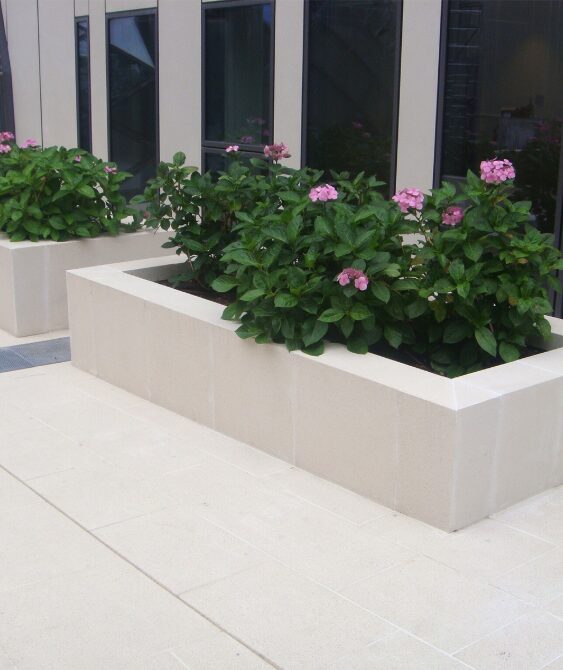
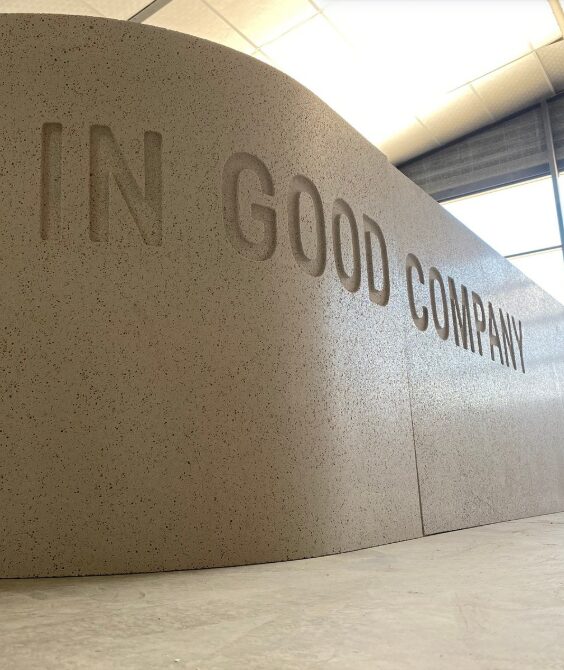
Counters, reception desks, seating, planters, integrated elements, or bespoke pieces: each creation is designed to interact with the space, support its uses, and last over time.
Rebeton’s mineral material goes beyond the limits of standardised furniture, enabling made-to-measure pieces tailored to technical constraints, circulation flows, intensive use, and design intent.
Made-to-measure pieces,
designed for use
Architectural furniture is subject to demanding constraints: impacts, abrasion, repeated traffic, cleaning, and—depending on the context—exposure to light or weather.
Rebeton solutions are developed to meet these requirements, indoors and outdoors alike.
Each piece is specifically engineered:
- dimensions and geometry adapted to the site,
- thicknesses and reinforcements defined according to expected loads,
- finishes and colours selected for long-term performance,
- functional integration (corners, edges, continuity, joints, assemblies).
This approach makes it possible to design robust, precise, and durable furniture—without compromising architectural expression.
Great freedom
of form
and integration
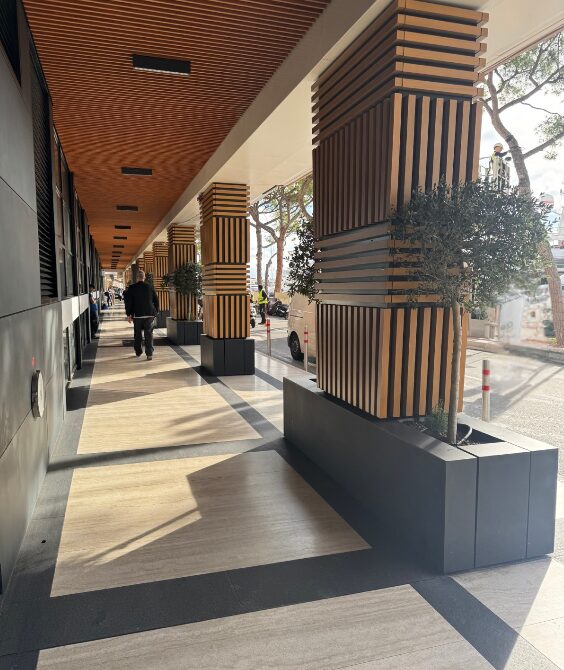
Thanks to its composite mineral material and industrial expertise, Rebeton offers wide design flexibility.
Furniture can be:
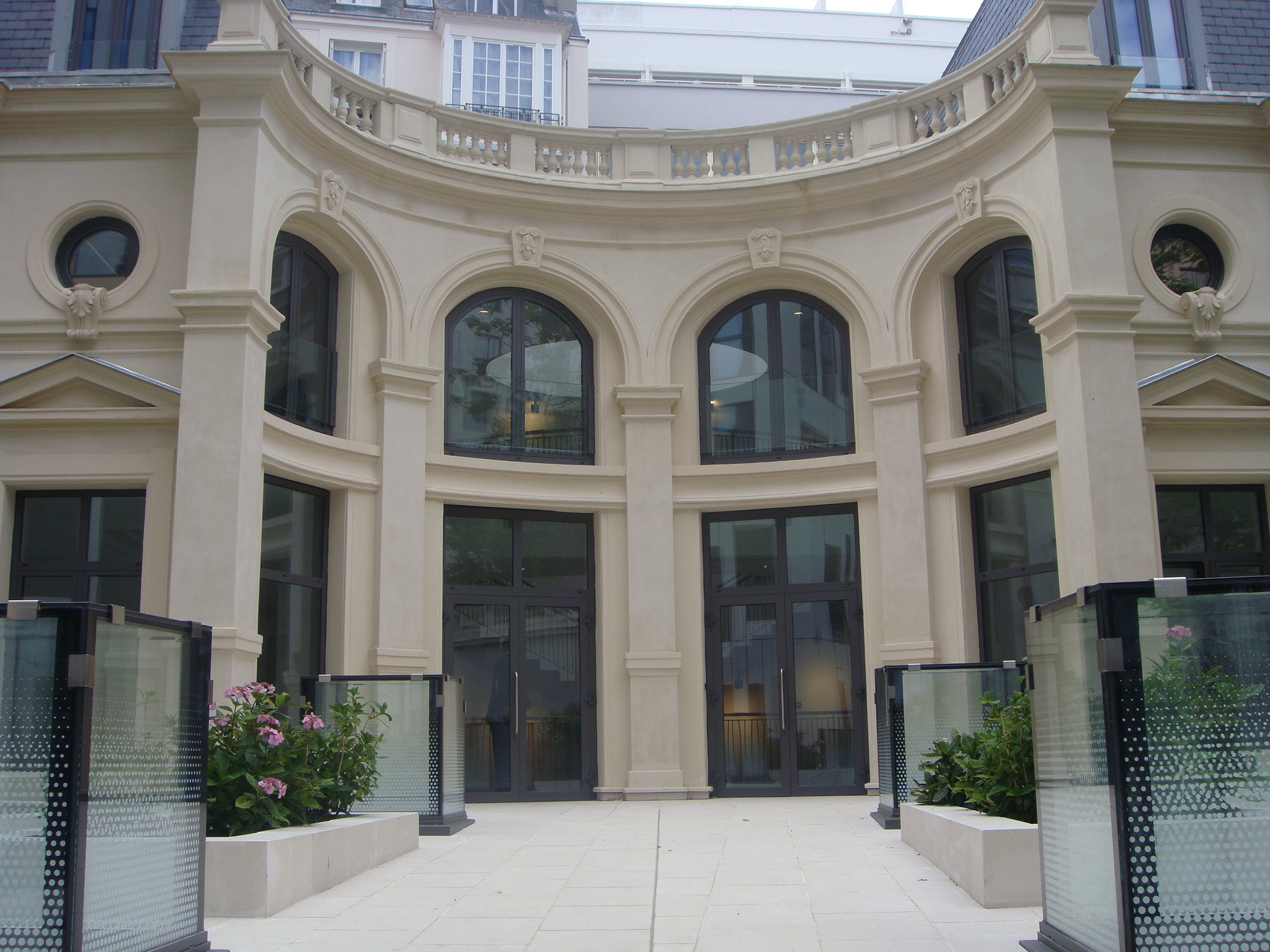
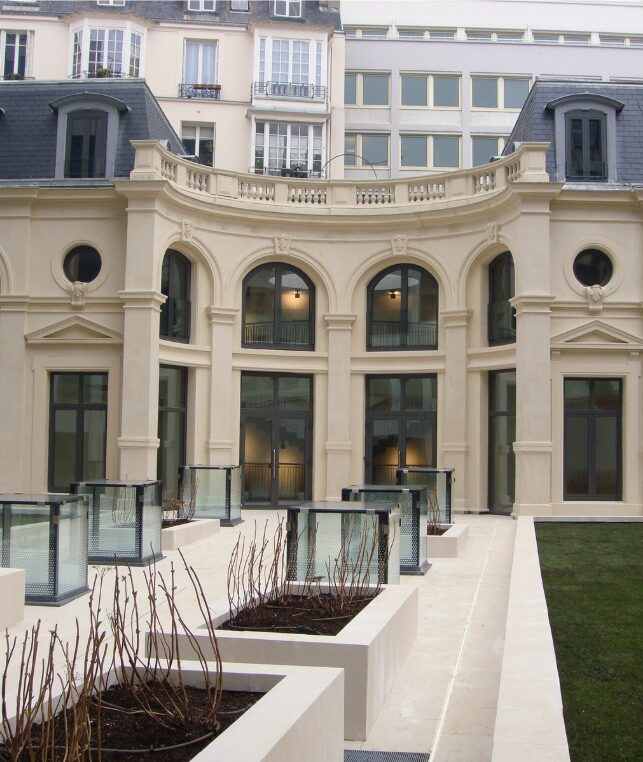
- integrated into a broader architectural scheme (facade, floor, wall),
- designed as a standalone piece,
- developed in continuity with existing materials, shades, or rhythms.
Both simple forms and more complex geometries can be explored, ensuring overall coherence across the project.
Craftsmanship
at industrial scale
Rebeton furniture is produced through an approach that combines artisanal precision with industrial control.
Each piece is designed and manufactured on a project-by-project basis, with particular attention to detail, tolerances, and finish quality.
When a project requires it, Rebeton can:
- develop non-standard, bespoke pieces,
- design dedicated components,
- adapt its manufacturing processes,
- create custom tooling to make the project feasible.
This capability supports unique projects while ensuring reliable, repeatable production.